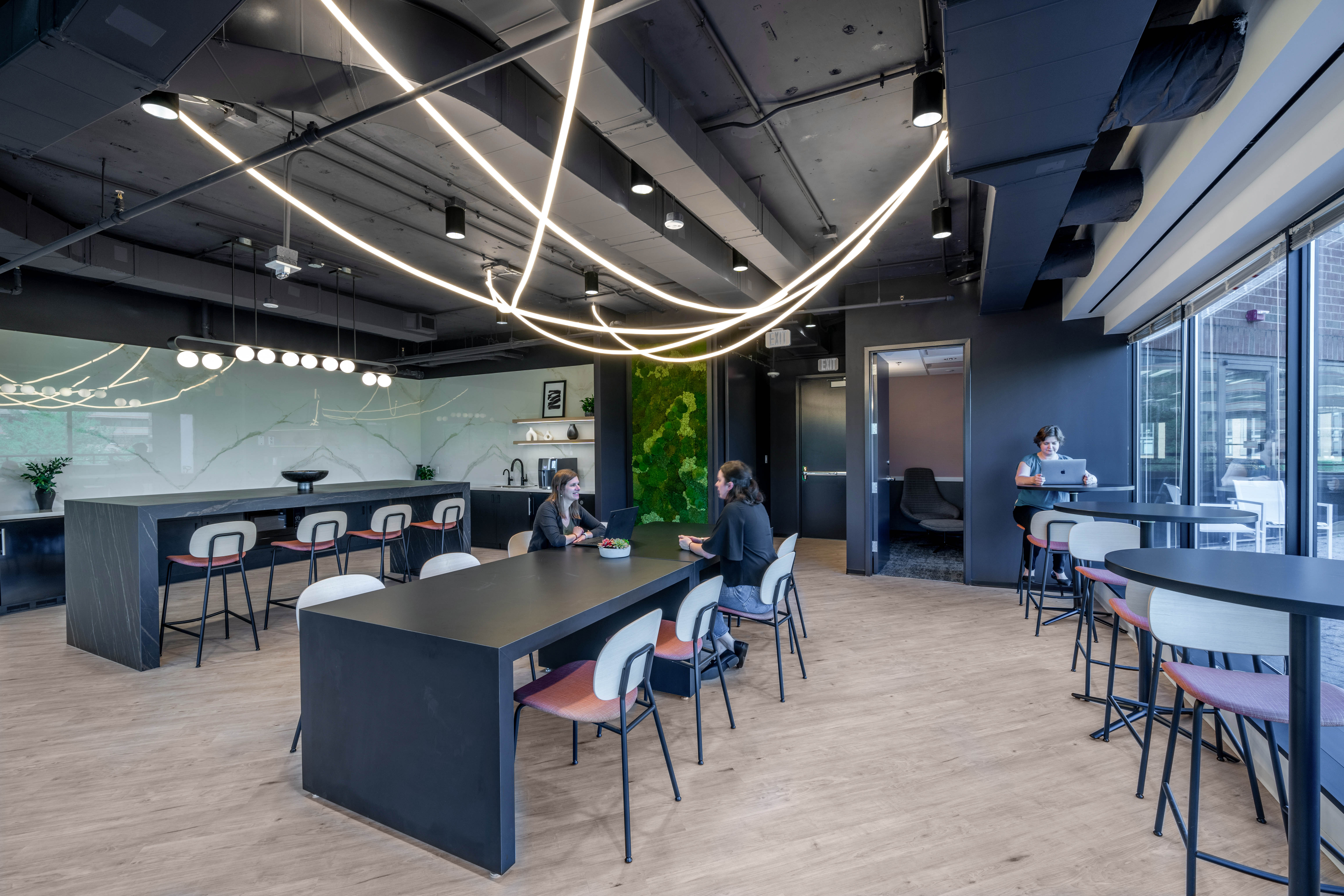
Designing a workplace goes beyond selecting finishes and furniture or simply creating a space that looks good. A great office inspires people to do their best work, connect with their teams, and feel comfortable and supported throughout the day.
Through our experience, we’ve noticed a handful of workplace design mistakes that can affect how a space functions day-to-day. Fortunately, they’re easier to avoid when you know what to look for.
1. Focusing on Looks More Than How People Actually Work
Everyone wants an office that feels fresh, modern, and impressive. But sometimes, companies get caught up in the latest trends without checking if they actually work for their team. For example, an open office might look great, but if your employees spend most of the day with their heads down or on calls, it can quickly become a source of frustration.
Try this instead:
Before making design decisions, take time to understand how your team uses the space throughout the day. Ask questions, get feedback, and notice what works and what doesn’t in your current space. The best workplaces are built around people and their needs.
2. Assuming One Type of Workspace Fits Everyone
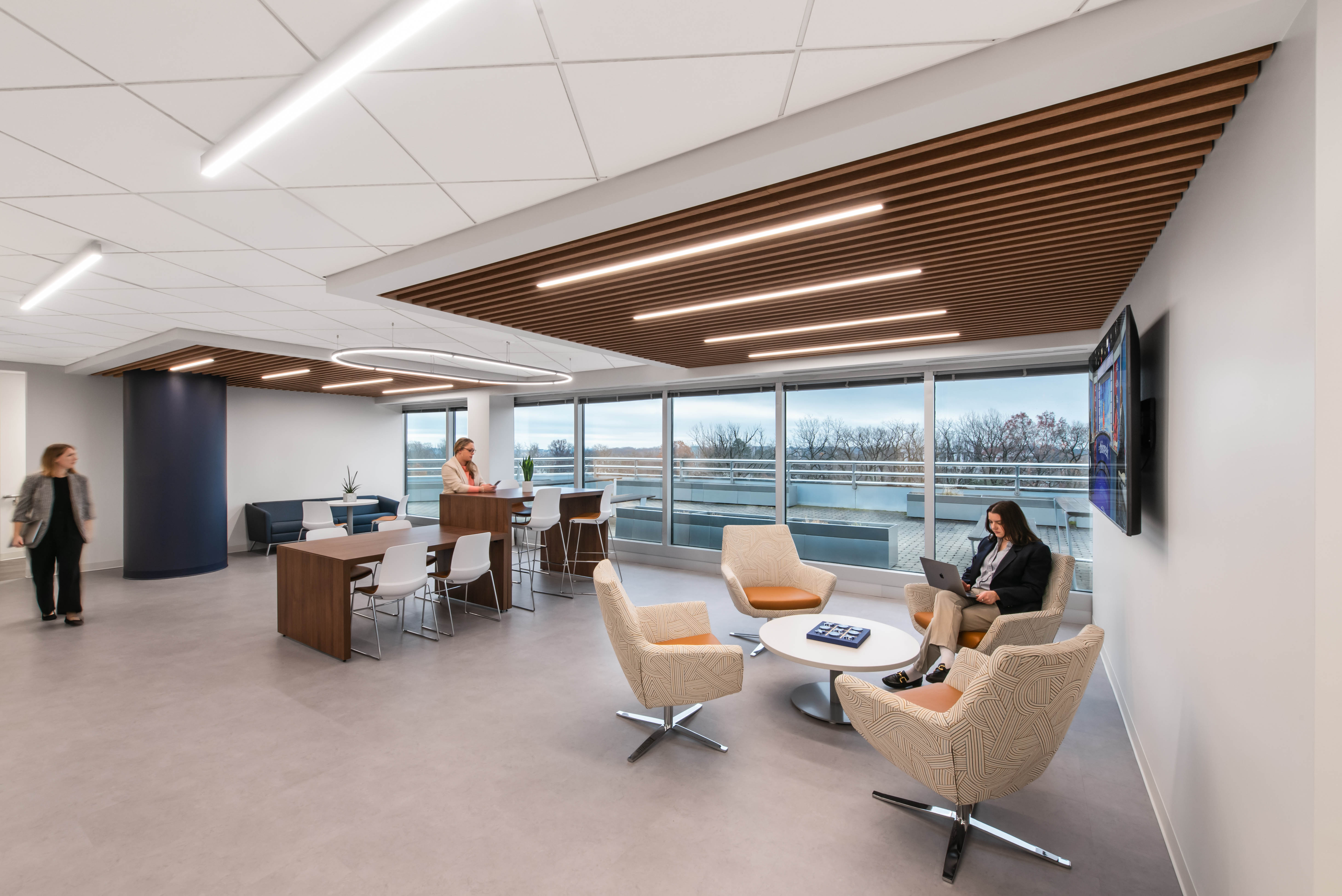
Some days you need a quiet place to focus. Other days, you’re moving between meetings, working with teammates, or joining virtual calls. When an office only offers one type of workspace, whether that's rows of benching or a bay of private offices, it limits how people can work throughout the day, potentially affecting their productivity and well-being.
Try this instead:
Give employees options. A mix of focus rooms, meeting spaces, phone booths, huddle rooms, and comfortable lounge seating allows people to choose the setting that works best for the task at hand.
3. Forgetting About Noise Until It's Too Late
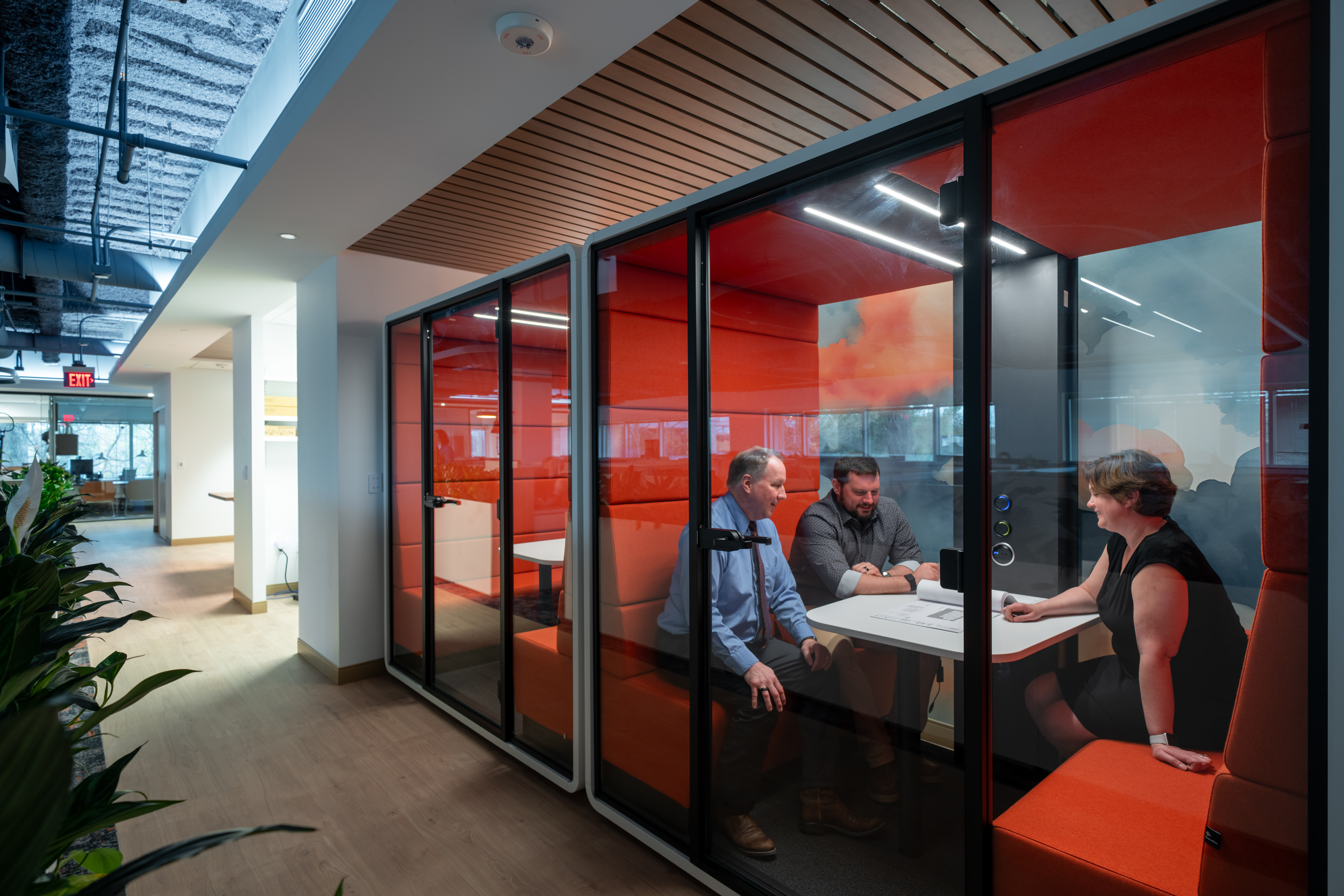
Acoustics might not be the most exciting part of workplace design, but they can make a big difference in how people experience the space. If employees have to wear headphones all day to block out noise or hunt for an empty room to take a call, your space isn’t working as it should.
Try this instead:
Think about sound from the beginning. Adding acoustic panels, sound-absorbing flooring, ceiling treatments, and designated quiet zones can make a huge difference in how comfortable and productive a workplace feels.
4. Treating Technology as an Afterthought
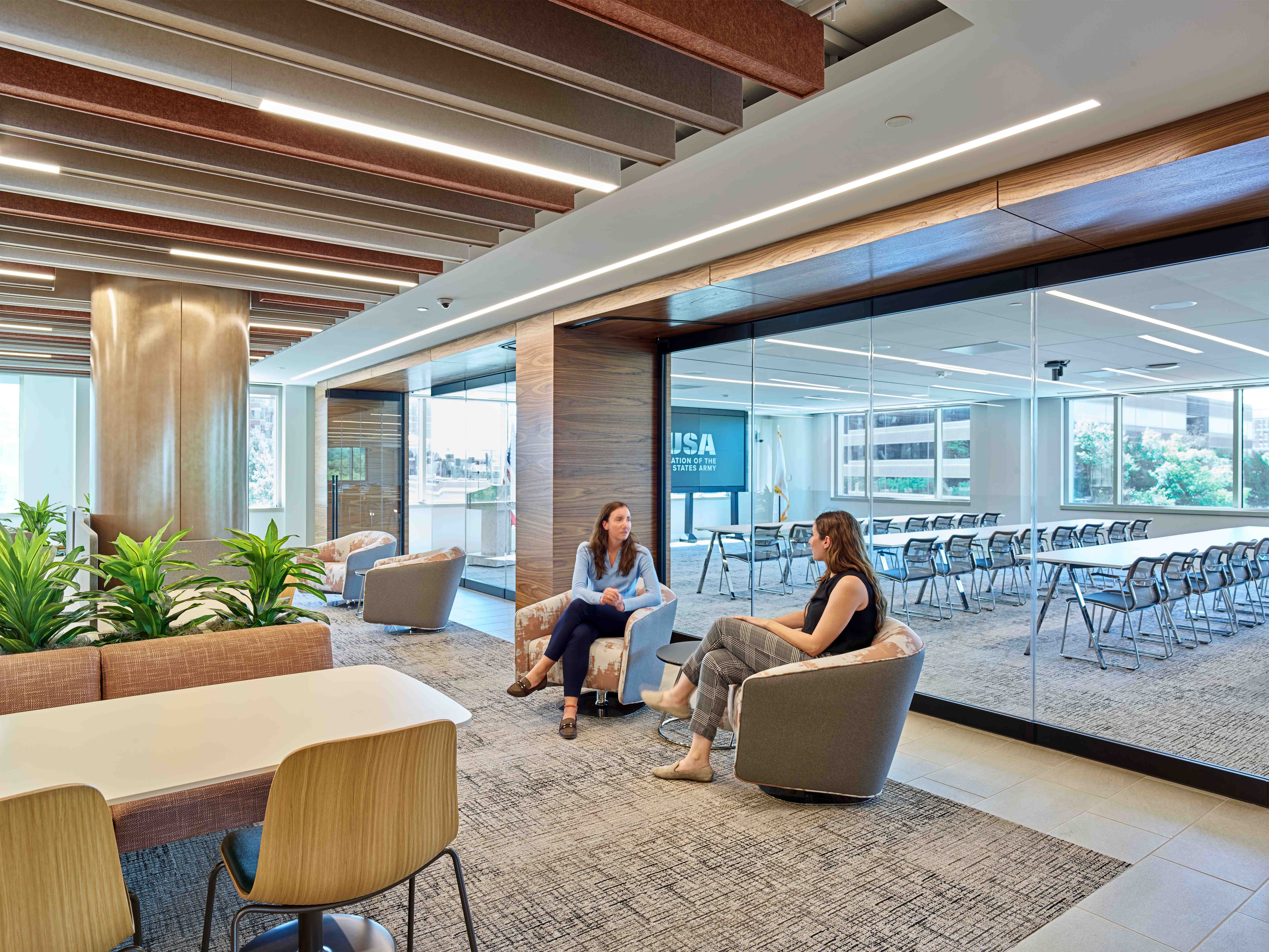
Have you ever been in a meeting where someone spends ten minutes just trying to get the video conference working? Technology problems waste time, cause frustration, and can make hybrid meetings and presentations feel unprofessional or disconnected.
Try this instead:
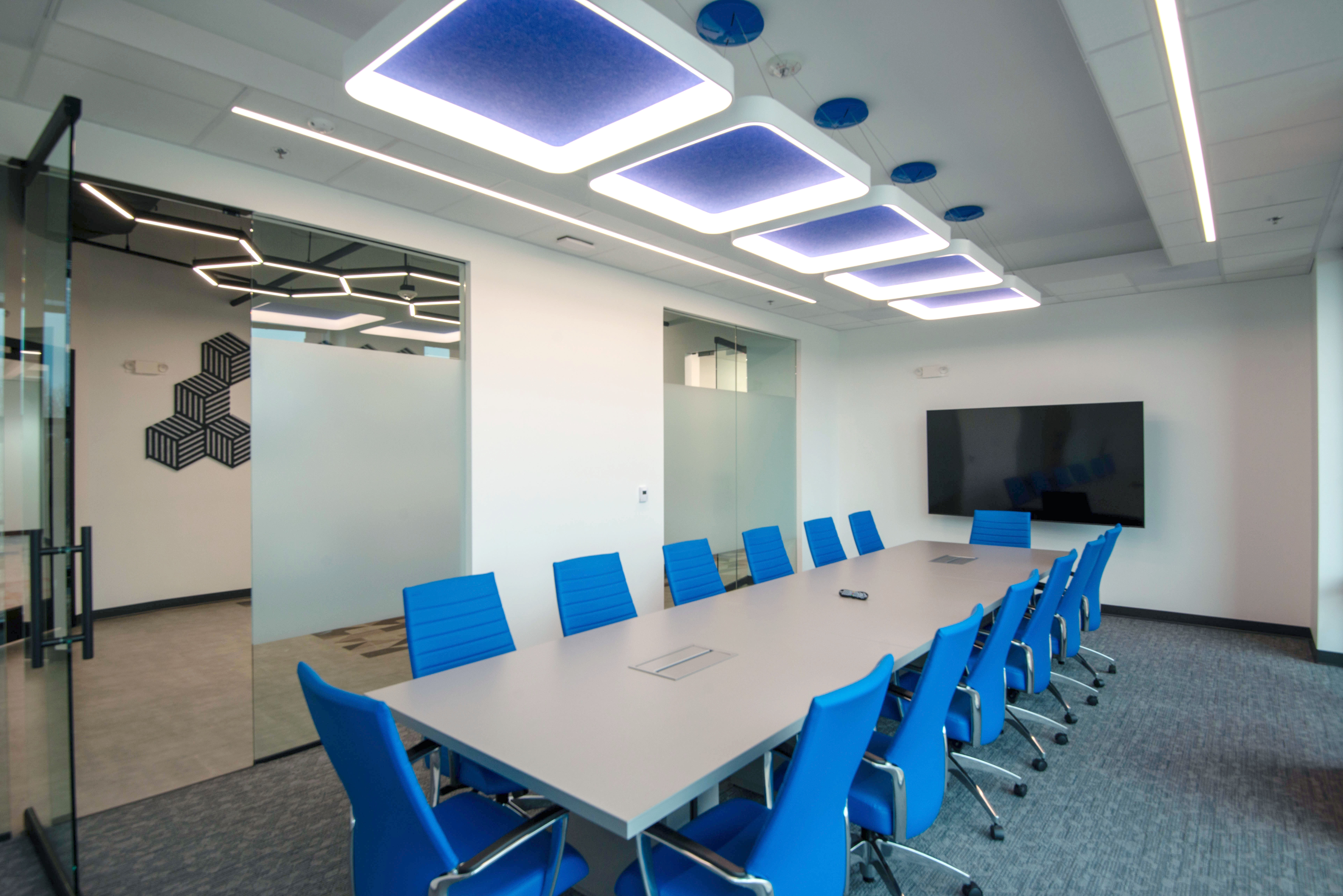
Plan for technology early. Make sure meeting rooms support both in-person and remote participants, research technology platforms that work best for your team, provide plenty of access to power, and think through how employees will use the space day to day.
5. Designing for Today Instead of Planning for Tomorrow
Your business will change over time. Teams may grow or shrink, departments can shift, and workplace policies might change. If you design your office just for today’s needs, you may face costly updates sooner than you expect.
Try this instead:
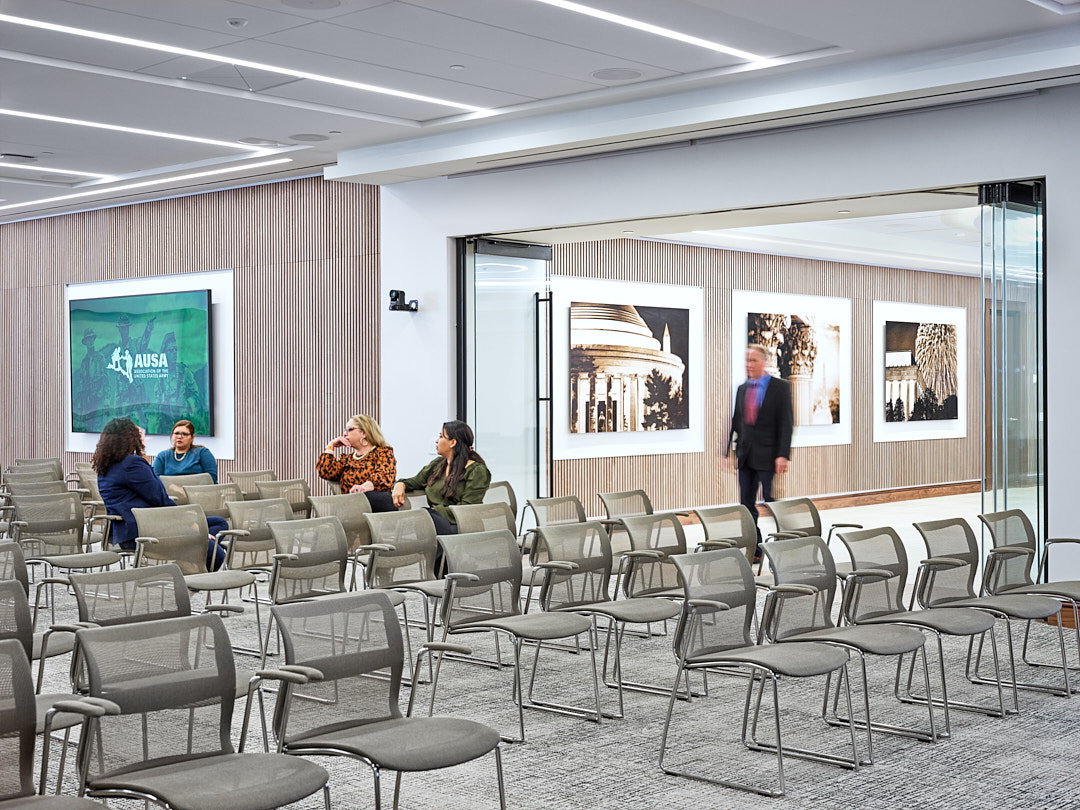
Add flexibility wherever you can. Modular furniture, movable walls, and adaptable spaces help your workplace change as your business grows.
Great Workplaces Don't Happen by Accident
The offices people enjoy most aren’t always the trendiest or most expensive. They’re thoughtfully designed to support how employees work now and to adapt as things change in the future.
Before you start planning your next office project, ask yourself: Are we creating a space that looks good, or one that will genuinely help our people succeed?
Planning a new workplace or rethinking your current one? Interplan can help you create a space designed around your people, priorities, and future needs. We look forward to connecting.