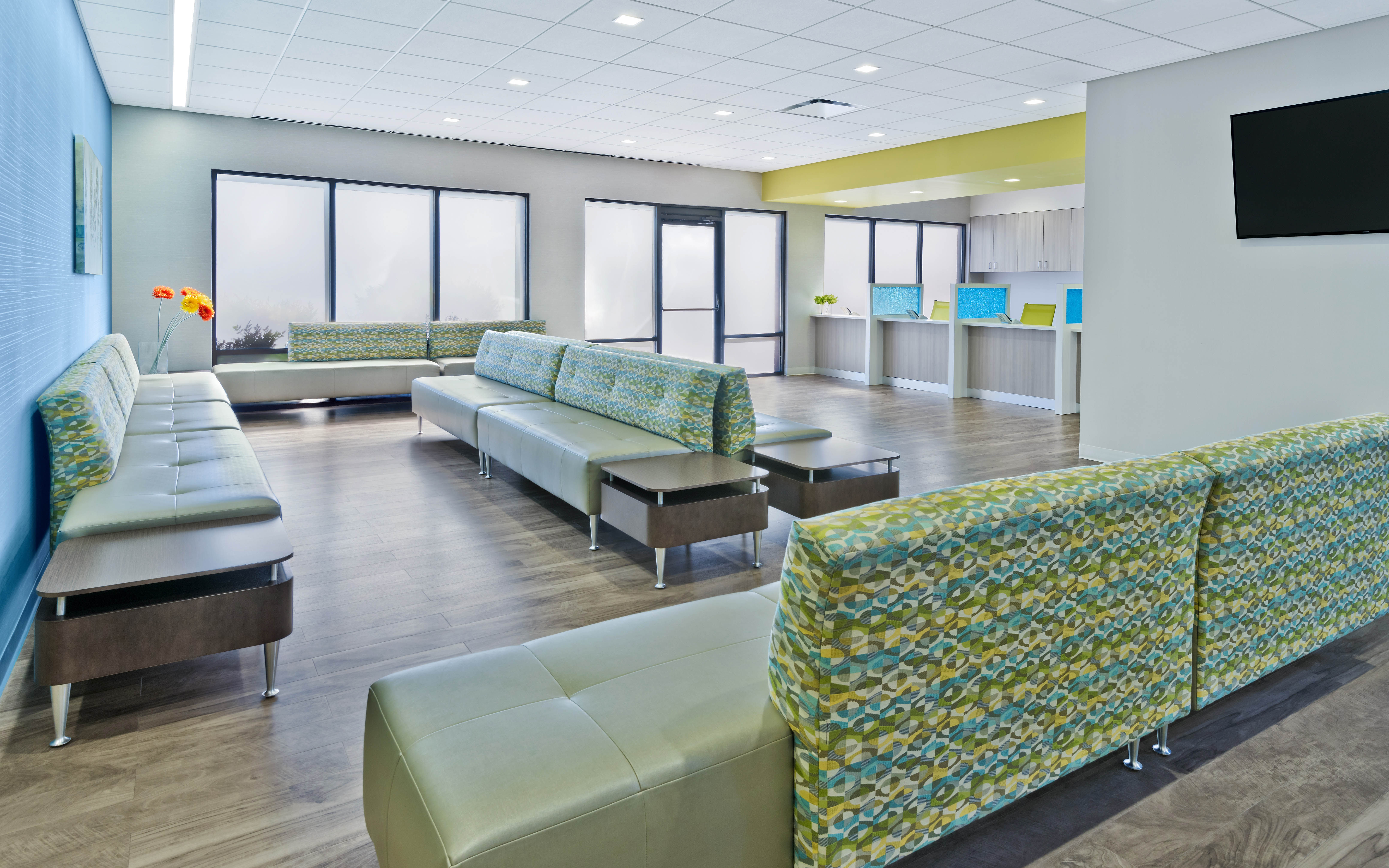
Community health clinics play an important role in expanding access to care, especially for underserved populations. For many patients, these clinics are a primary point of contact with the healthcare system, which makes the design of the space especially important.
Thoughtful design can influence how patients feel when they arrive, how easily they move through the space, how staff deliver care, and how the clinic builds dignity and trust within the community. Designing these environments requires a balance of healthcare planning, operational functionality, cultural awareness, and an understanding of the people the clinic serves.
Site Selection & Accessibility
At the heart of any community health clinic is accessibility. Clinics are often located in areas where residents may face obstacles such as limited transportation, language barriers, or financial constraints. Site selection should prioritize proximity to public transit, walkability, visibility within the community, and a clear, welcoming point of arrival.
Inside the clinic, the experience should be easy to understand and navigate. Clear wayfinding systems, intuitive layouts, multilingual signage, and visual cues can help reduce stress and confusion for patients and families. Universal design principles should also ensure that spaces accommodate people of all abilities, including those with mobility challenges, sensory impairments, chronic conditions, or other accessibility needs.
Creating a Healing Environment
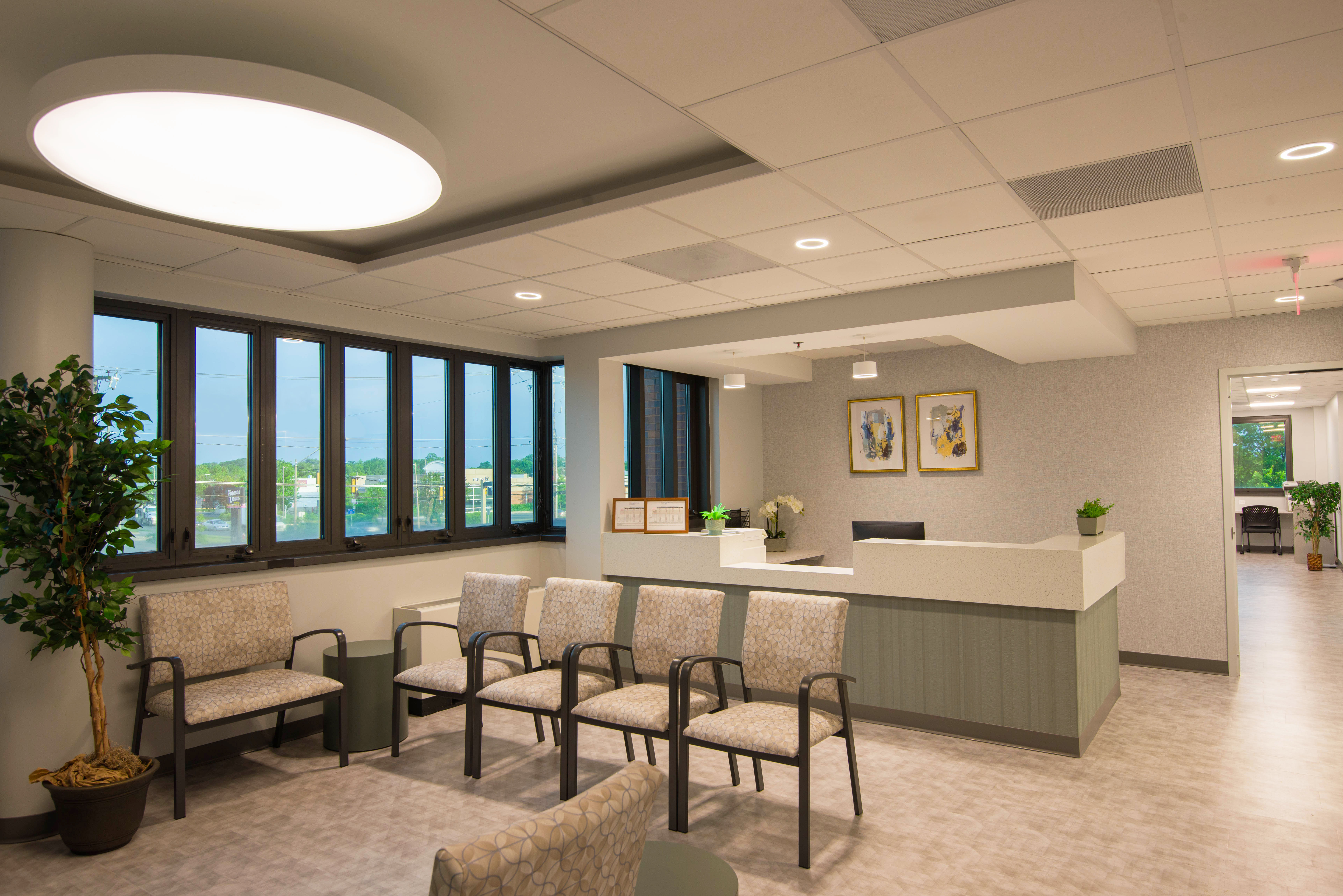
Once patients arrive, the environment should help them feel comfortable, respected, and at ease. Natural light, good ventilation, soothing color palettes, warm materials, and access to greenery can all contribute to a better patient experience.
Waiting areas should feel calm and approachable, especially for patients who may already be feeling anxious, overwhelmed, or unsure of what to expect. Artwork, comfortable seating, softer finishes, and thoughtful material selections can help make the space feel less institutional and more connected to the community it serves.
Privacy is also an important part of a healing environment. Many patients visiting community clinics may be dealing with sensitive health concerns, so sound-controlled consultation rooms, discreet check-in areas, and clear separation between public and private spaces can help protect confidentiality and build trust.
Supporting Staff Efficiency and Well-being
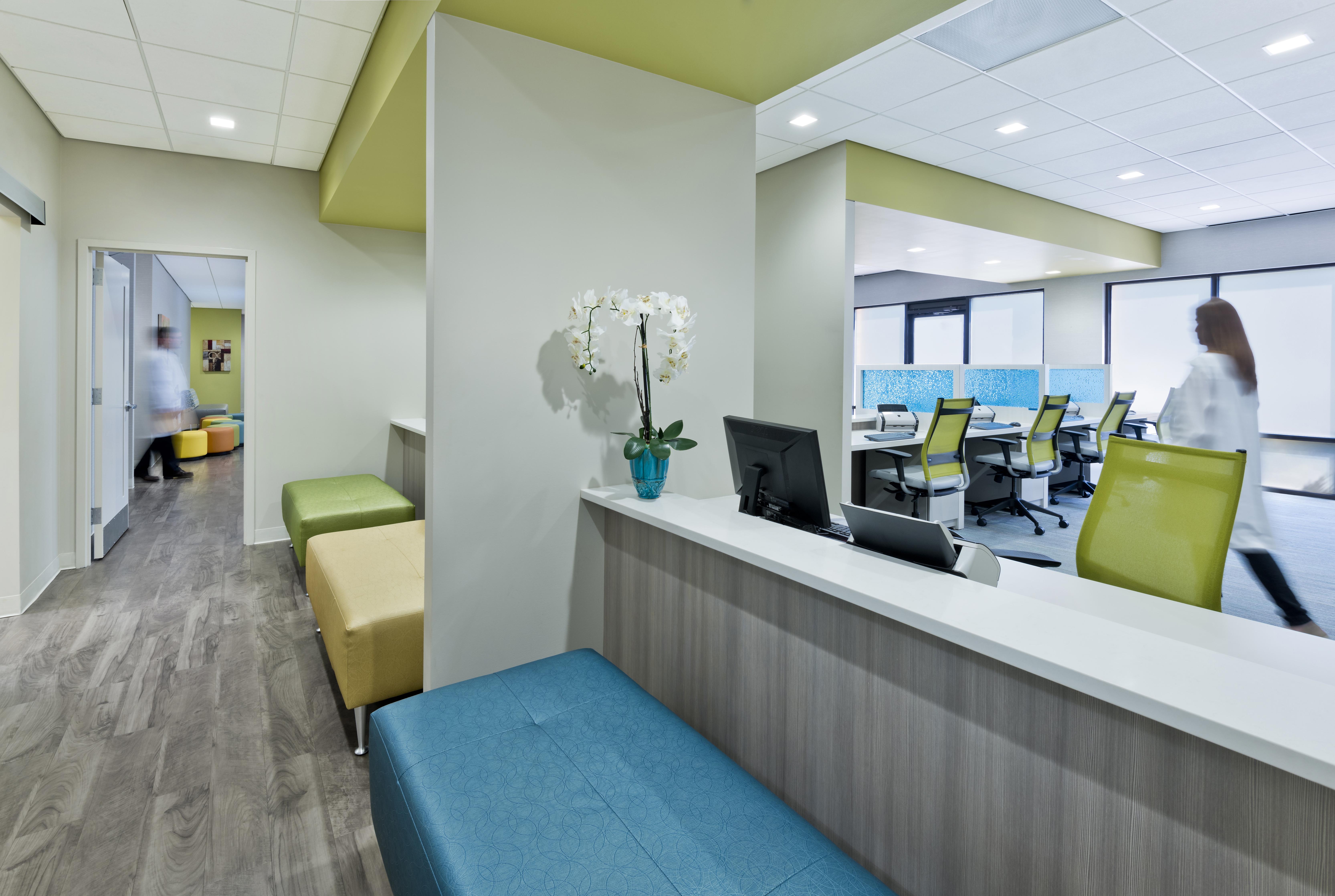
Healthcare workers in community clinics often operate under high demand with limited resources. Efficient layouts can significantly improve patient workflow, reduce unnecessary steps, and make daily operations more manageable for staff.
Thoughtful planning should consider how staff move between check-in, exam rooms, consultation spaces, team areas, and support spaces throughout the day. When the layout supports how care is delivered, it can reduce friction, improve communication, and create a better experience for both staff and patients.
Designing for Long-Term Adaptability
Clinics should be designed with flexibility in mind, especially because most are intended for long-term use. In the post-COVID era, that means planning for spaces that can adapt as care models, patient needs, and technology continue to evolve.
Many practices are considering future behavioral health services, small pharmacy integration, telehealth, digital records, and emerging medical technologies. These needs can significantly impact space planning, adjacencies, privacy, infrastructure, and daily clinic operations.
Telehealth, in particular, has changed the way clinics think about space. Instead of relying on exam rooms for virtual visits, clinics are incorporating flexible office spaces that meet HIPAA requirements, improve room turnover, and make better use of the overall footprint.
Community clinics can also function as community hubs, offering educational workshops, preventative care initiatives, social services, and outreach programs. Multipurpose rooms or flexible gathering spaces can support this broader role and allow the clinic to respond to community needs over time.
Aesthetics and Cost Efficiency
Community clinics often operate with funding from grants, public programs, and donations, making thoughtful, financially responsible design critical. As stewards of donor and community funding, clinics need spaces that support healing, comfort, and trust while still demonstrating fiscal responsibility.
The goal is to create a welcoming, dignified environment without selecting finishes or features that feel excessive or inconsistent with the clinic’s mission. Durable, low-maintenance materials and energy-efficient systems can help reduce long-term operating costs, allowing more resources to stay focused on patient care.
Designing for Community Impact
Designing community health clinics is an opportunity to support care, access, and trust through the built environment. By prioritizing accessibility, comfort, efficiency, flexibility, and responsible material choices, clinics can better serve the patients, providers, and communities that rely on them every day.
If your organization is planning a new clinic, renovation, or expansion, Interplan can help create a space that supports yourmission, your people, and your long-term goals.